
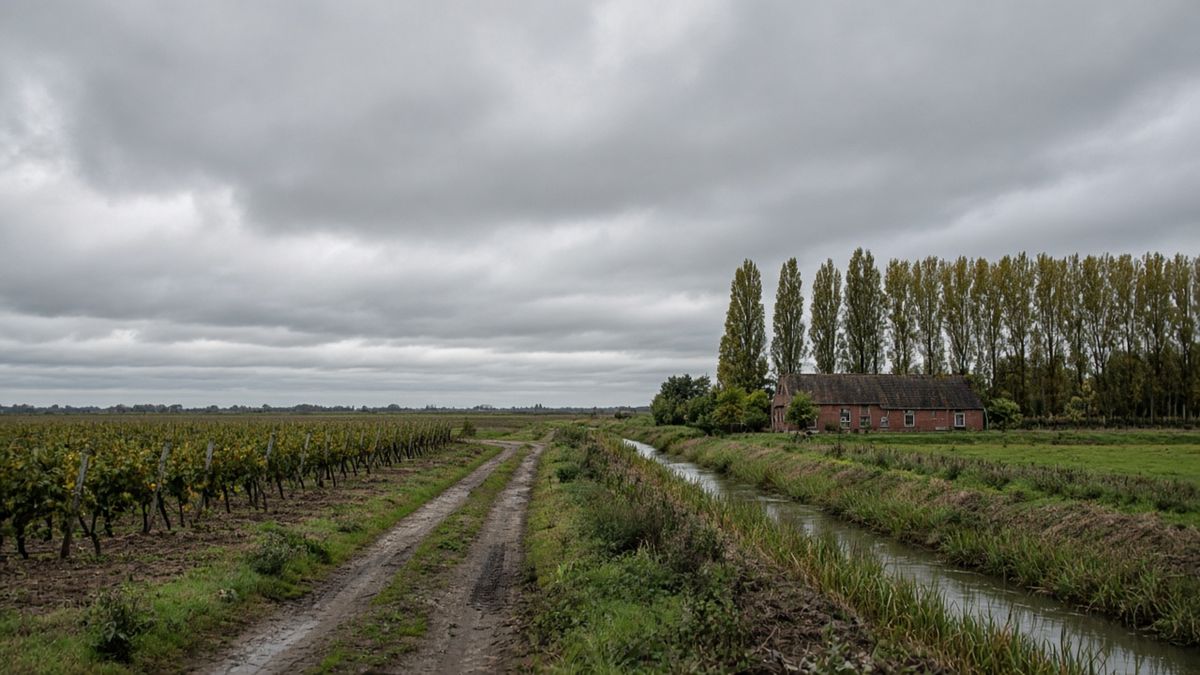
The Netherlands makes wine, and not only from apples. What is usually in the bottle is an early-ripening grape, plenty of acid and an alcohol level that stays lower than in the south. That is the climate, not a shortcoming.
There are now hundreds of hectares of vineyard, spread across Limburg, Gelderland, Zeeland, Noord-Brabant and Twente. The estates are small and the yield per vine is low. The wines that come out of that are fresh, sharp and more often serious than the word Netherlands on the label suggests.
What actually gets planted
Cool and damp, so the varieties have to ripen early and cope with mildew. The Bordeaux classics rarely make it here.
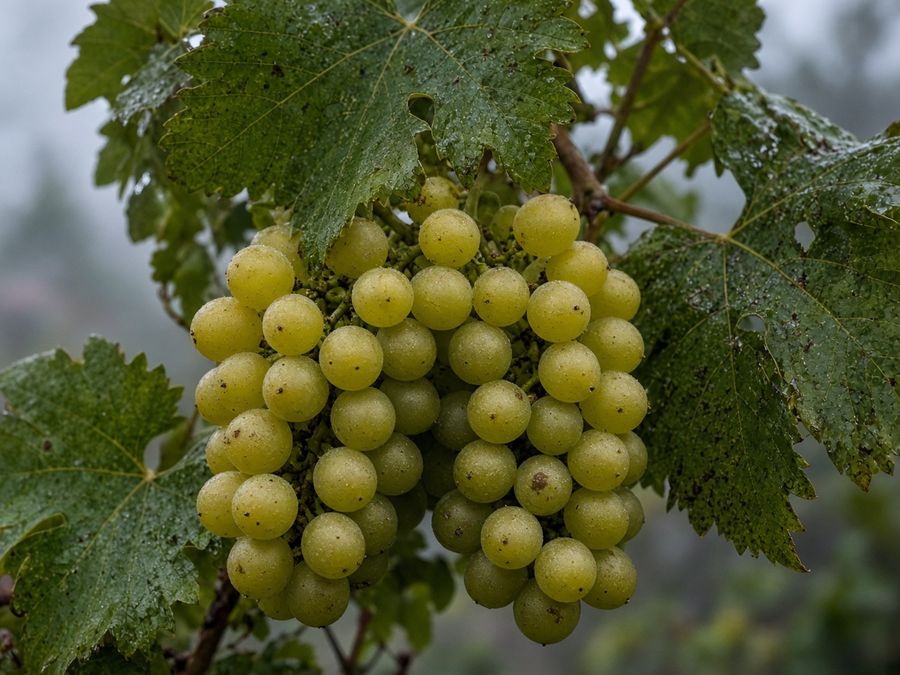
White
- Johanniter
- The most planted white grape. Fresh, with a touch of blossom.
- Solaris
- More aromatic. Ripe fruit, sometimes almost tropical, while the acid stays high.
- Pinot Blanc
- With Auxerrois, a rounder, quieter white.
- Chardonnay
- Mostly in Limburg, and there often with oak.
Red
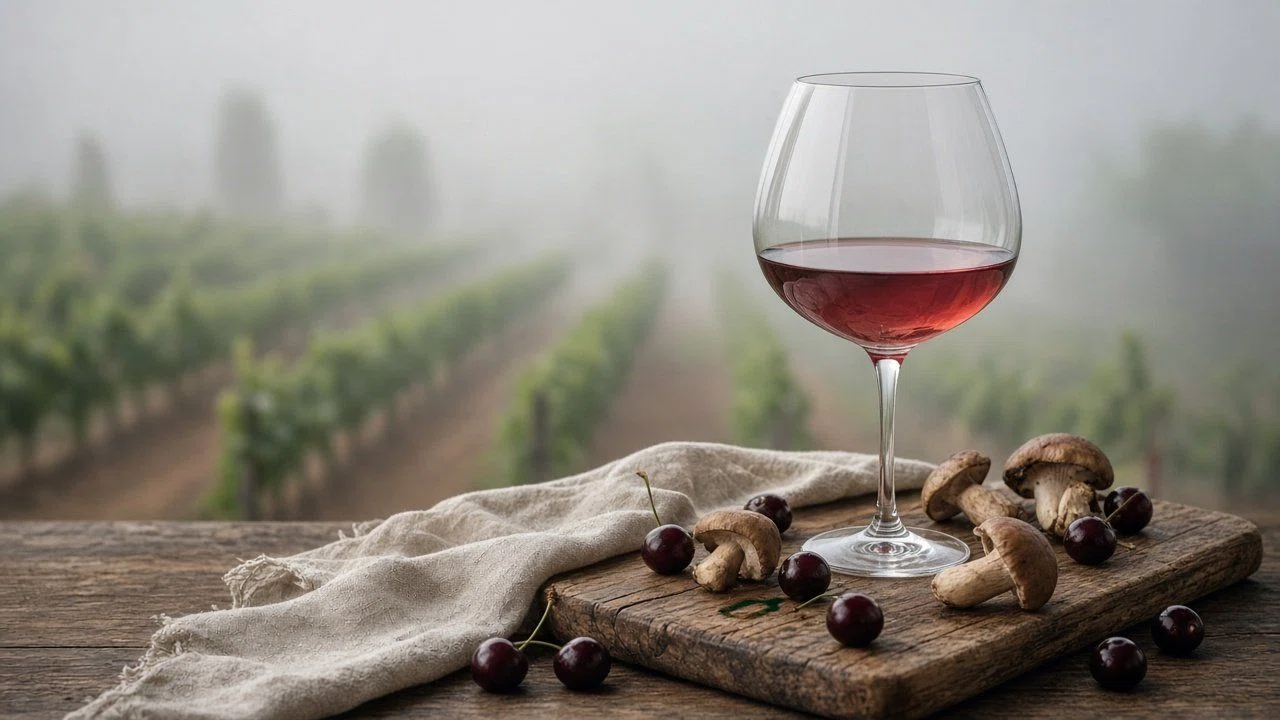
- Pinot Noir
- The main red grape. Pale, low in tannin, elegant.
- Regent
- With Cabernet Cortis, the sturdier dark grapes. They make a redder wine.
With Dutch red, think Burgundy, not Bordeaux.
The short season stays in the glass
The summer is short. The acid does not drop away, even when the fruit is ripe. The wine has tension because of that, and less alcohol than you know from Spain or the south of France. Red stays pale: there is little tannin, and little colour.
Four places, from south to east
South Limburg
The largest concentration of vineyards. Plenty of Johanniter, and most of the Pinot Noir.
Betuwe and Gelderland
Smaller estates between the rivers. The white wines often stand out most here.
Zeeland
A coastal climate. The better bottles carry a saline note.
Twente
Young plantings. For now, mostly fresh white wine.
Keep or drink
2–3years
Laying most of these bottles down for longer does not help. The structure is not there. Chill them and drink them. That is what they were made for.
At the table
High acid wants fat or salt. That is the whole rule.
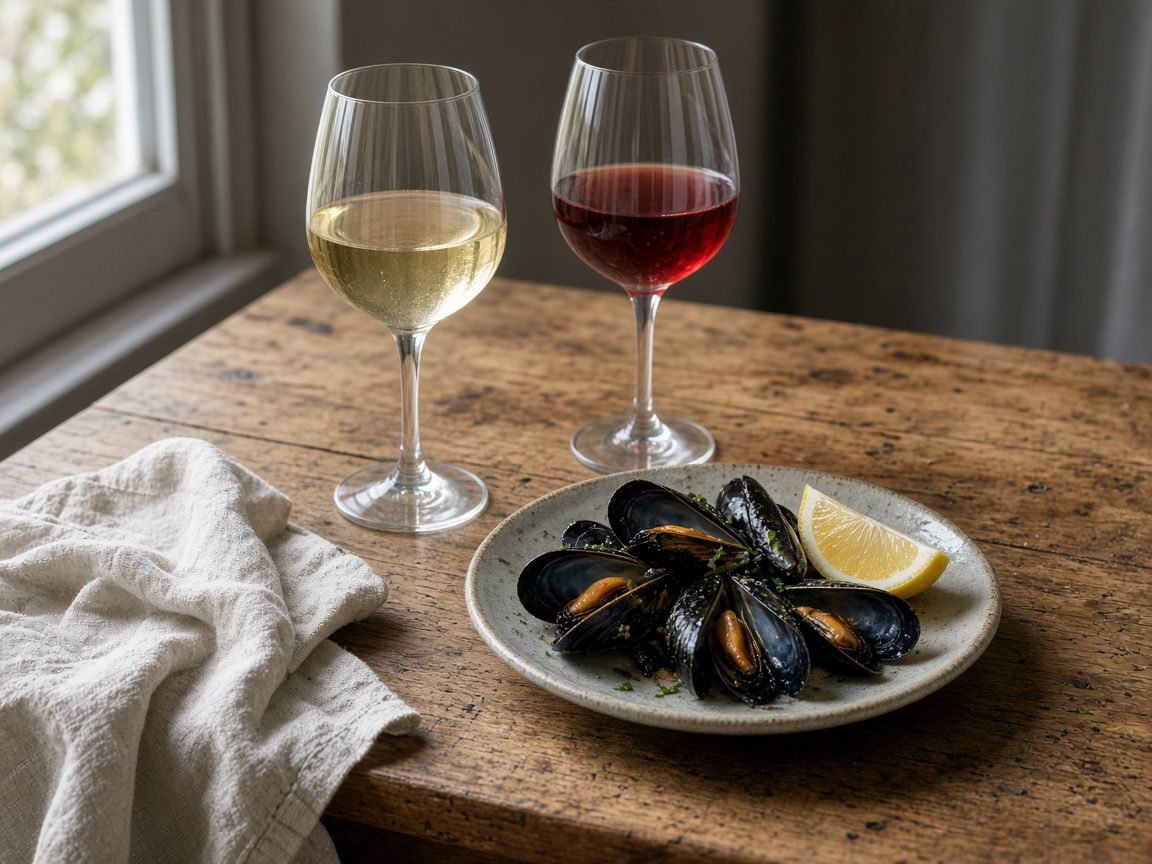
- Zeeland mussels and oystersJohanniter
- Fish and shellfishSolaris or Pinot Blanc
- A cheese boardLight Pinot Noir
- AsparagusA Dutch white, as useful here as Sauvignon Blanc
Do not expect supermarket prices. Yields are low and the work is done by hand, so the bottle costs more than a house wine. Treat it as a regional product.
Dutch red leans on Pinot Noir. How that grape tastes elsewhere is in Pinot Noir, explained.
Keep exploring the winewise guide
Filter by taste, region or grape and discover quality wines from independent merchants — or read on and learn how to choose your next bottle.
Keep reading
Pinot Noir explained: the elegant red grape
What makes Pinot Noir so special? Discover the flavour, the best regions from Burgundy to New Zealand and the finest pairings. Order online straight away.
Read article
White grape varieties explained: from Riesling to Chenin Blanc
Which white grape suits you? Discover Riesling, Pinot Grigio, Chenin Blanc and more: flavour, style and pairings. Choose wisely and order online.
Read article
Wat zijn de belangrijkste wijnregio's en hun typische smaakprofielen?
Ontdek de belangrijkste wijnregio's ter wereld en hun typische smaakprofielen. Van koele Loire tot zonovergoten Puglia: vind jouw favoriete streek en druif.
Read article