

Champagne comes from the French region of Champagne and gets its bubbles in the bottle. Prosecco comes from north-east Italy, is made from Glera and usually gets its bubbles in a tank. Cava comes from Spain, is made in the bottle just like champagne and is considerably more affordable.
In this article
Three bottles, three styles. You taste the difference straight away, and after this article you will know why.
Champagne
Origin: Champagne, France
Grapes: Chardonnay, Pinot Noir, Pinot Meunier
Method: Second fermentation in the bottle
Flavour: Brioche, citrus, baked apple
Price level: From around 30 euros
Prosecco
Origin: Veneto and Friuli, Italy
Grapes: Glera
Method: Second fermentation in a tank
Flavour: Pear, apple, blossom
Price level: From around 8 euros
Cava
Origin: Mainly Penedès, Spain
Grapes: Macabeo, Parellada, Xarel·lo
Method: Second fermentation in the bottle
Flavour: Citrus, almond, dry finish
Price level: From around 8 euros
Why do they taste so different?
With the traditional method (champagne and cava) the wine rests on the lees for months. That gives brioche, nuts and baked apple. Champagne ages for at least 15 months, a cava Reserva for at least 15 as well and a Gran Reserva for at least 30.
With prosecco the wine ferments in a tank. That is faster and keeps the fresh fruit. That is why prosecco tastes lively and approachable.
What does brut mean?
The sweetness level is on the label, from dry to sweet.
Brut nature and extra brut: bone-dry
Brut: dry, the most chosen style
Extra dry: slightly sweet, despite the name. A prosecco extra dry is often a touch softer than a brut.
Sec and demi-sec: noticeably sweet
Doux: sweet, for example with dessert
Crémant is the French traditional-method bubble from outside Champagne, for example from Alsace, the Loire or Burgundy. The same method as champagne, often at a better price.
Aperitif
Prosecco or a dry cava.
Toast
Champagne.
Brunch
Prosecco or crémant.
With food
Champagne or cava pairs with fried food, seafood and soft cheeses.
With dessert, choose demi-sec or a sweet sparkling wine. See also wine with dessert.
Non-vintage is the house style, made from several years. Blanc de blancs is 100% Chardonnay. Blanc de noirs is fuller, from black grapes.

How to open a bottle
Safely and without a pop
- 1. Chill the bottle to 6 to 8 degrees.
- 2. Loosen the muselet with six half-turns, keeping a thumb on the cork.
- 3. Hold the bottle at 45 degrees and turn the bottle, not the cork.
- 4. Let the cork come out with a soft sigh, not a bang.
Pour into a tulip-shaped glass for more aroma. You can read more about that in the article on wine glasses.
Three ways to toast
Prosecco, cava, crémant and champagne
Four bubbles from the current range, each with a different method or origin.
Order in time for the holidays.
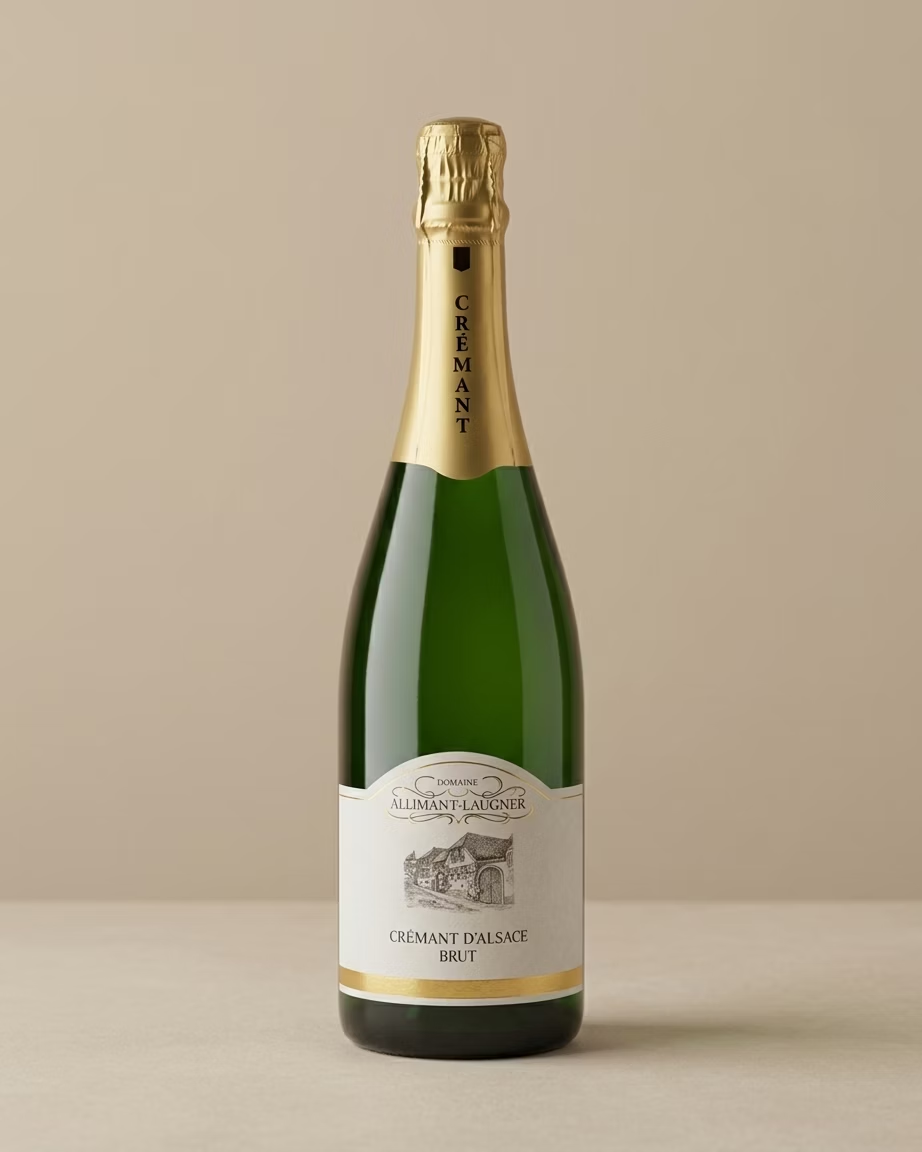 Crémant
Crémant Blanc - Domaine Allimant-Laugner
Pinot Blanc, Pinot Gris, Riesling · Elzas
French traditional method, outside Champagne.
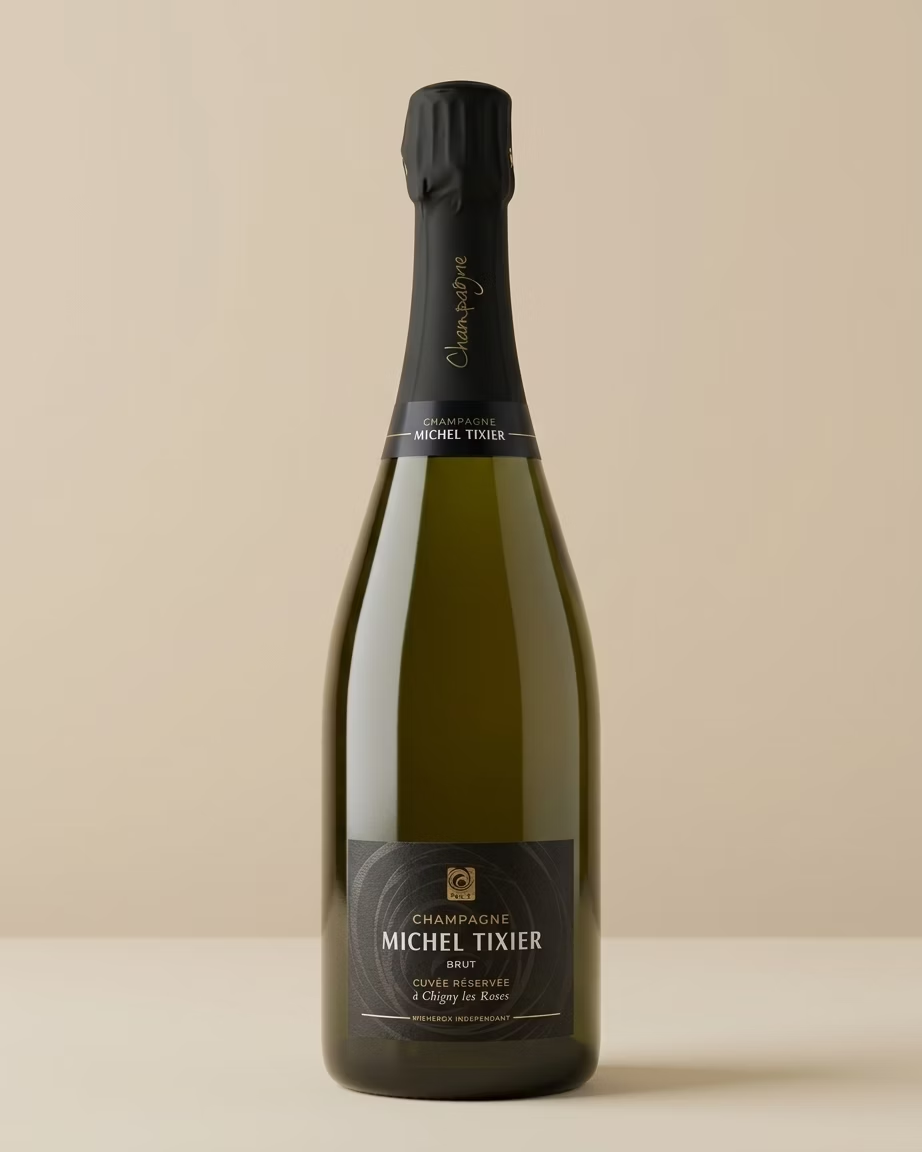 Champagne
Les 9 Cru's Brut Champagne - Michel Tixier
Pinot Meunier, Pinot Noir, Chardonnay · Champagne
Brioche and citrus, the festive choice.
Frequently asked questions
Is prosecco cheaper than champagne, and why?
Usually, yes. Prosecco gets its bubbles in a tank, which is faster and cheaper. Champagne ages for months in the bottle, in a region with strict rules and high land prices.
What does brut mean on the label?
Brut means dry. There is little added sugar in the wine. It is the most chosen style for bubbles.
Is cava dry?
Usually, yes. Most cava is brut or brut nature, so dry and fairly taut in flavour.
Keep exploring the winewise guide
Filter by taste, region or grape and discover quality wines from independent merchants — or read on and learn how to choose your next bottle.
Keep reading
Wijn voor de feestdagen: hoe kies je de perfecte fles?
Van aperitief tot kerstdiner en dessert: maak van jouw feestdagen een culinair hoogtepunt.
Read article
Wijnglazen: waarom de vorm echt uitmaakt voor smaak en aroma
Ontdek waarom de vorm van je wijnglas cruciaal is voor de smaak en aroma's van je wijn. Van rode wijn tot champagne, elk glas heeft zijn eigen functie.
Read article
Wijnsoorten eenvoudig uitgelegd: rood, wit, rosé en mousserend
Basis kennis over wijnsoorten voor beginners: van droge witte wijn tot champagne en dessertwijn.
Read article