
Cork or screw cap: what does the closure say about your wine?
By OnlyWines editorial team
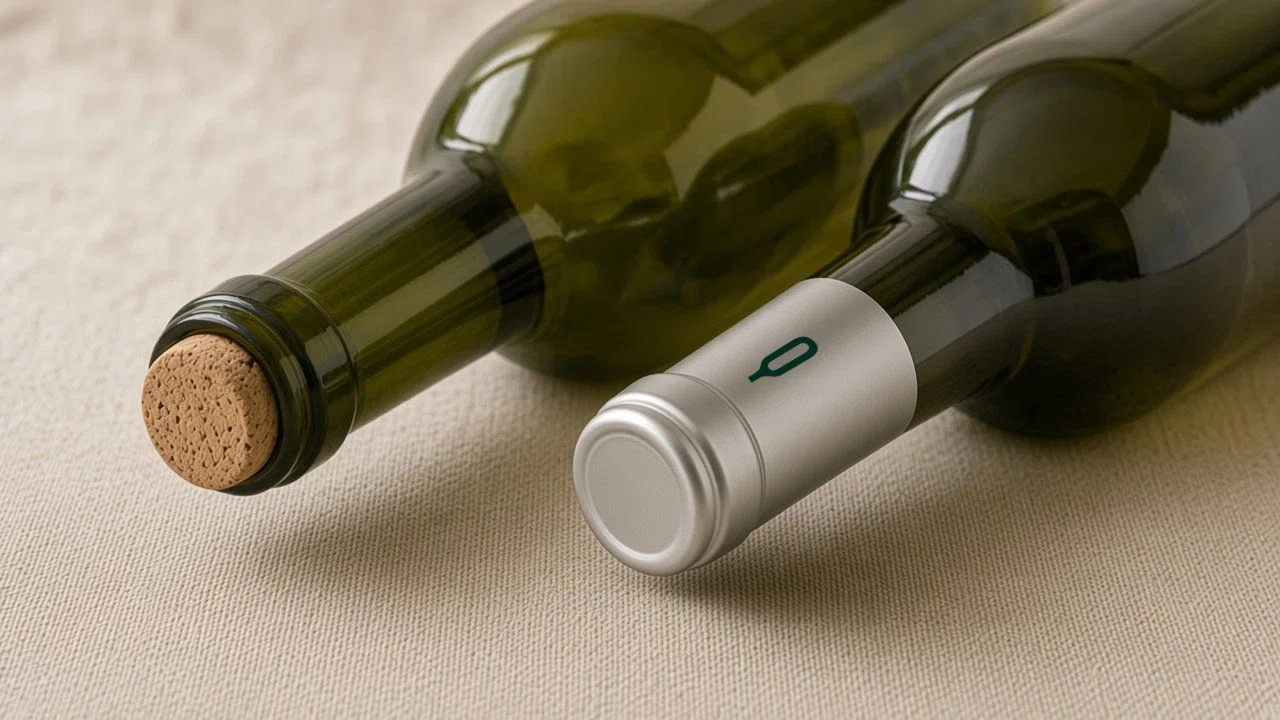
A screw cap says nothing about the quality of the wine. It actually keeps wine fresher and prevents cork taint. Natural cork lets through a tiny amount of oxygen, which can help with red wine kept for a long time. If you drink the bottle within a few years, the difference is small.
In this article
Many people find a screw cap cheap. That is a misconception. In New Zealand and Australia the screw cap is the norm, including for top wines.
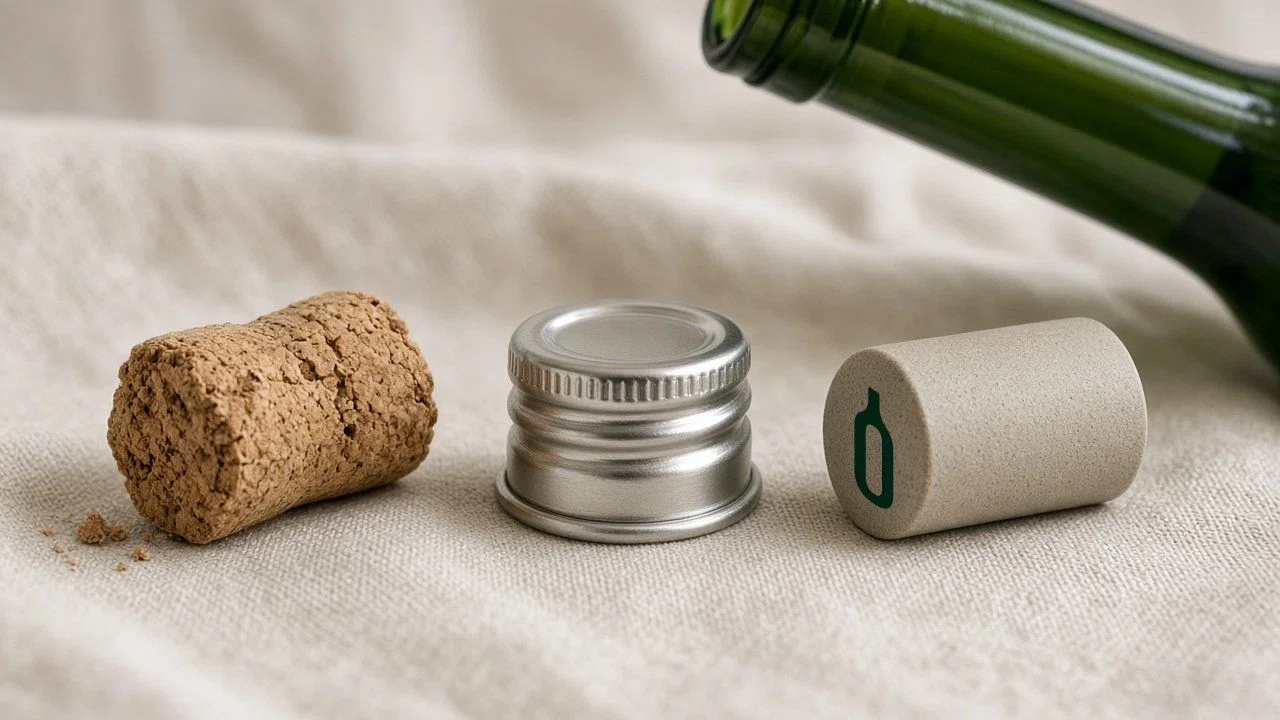
The four types of closure
Natural cork
Traditional and slightly permeable. Suitable for wines with long ageing.
Technical cork
Pressed from cork granules. For wine you will drink in the coming years.
Synthetic cork
Plastic, no cork taint. For everyday wine.
Screw cap
Airtight and consistent. Suitable for fresh white wine, rosé and fruity red.
What is cork taint?
Cork taint is caused by TCA, a compound that can occur in natural cork. The wine smells of wet cardboard or a damp cellar and the fruit is gone. It is not dangerous, but it is unpleasant. It does not occur with a screw cap or a synthetic closure. If you recognise it, keep the bottle and the cork and contact the shop.
No cork taint
The risk disappears.
Consistent quality
Every bottle seals the same way.
Freshness
White wine and rosé keep their fruit for longer.
Ease
No corkscrew needed, and you can twist the bottle shut again.
With natural cork a small amount of oxygen gets through, so complex red wine can become softer after years. Under a screw cap a slight smell of struck match can appear. That usually disappears after a little air. Read more at serving wine.
Natural cork
Store the bottle on its side, so the cork stays moist.
Screw cap
The bottle may also be stored upright. The same goes for synthetic cork.
An opened bottle is best kept cool either way, and drunk within a few days. See storing red wine and storing white wine.
If the cork breaks, push the corkscrew in at an angle. If the cork falls into the bottle, pour the wine through a fine sieve into a decanter. The wine is not spoiled.
Taste the difference
Screw cap or cork? Only if the bottle says so itself
We only put a closure on the card if it is in the product data. Otherwise we leave the bottle out, rather than guessing.
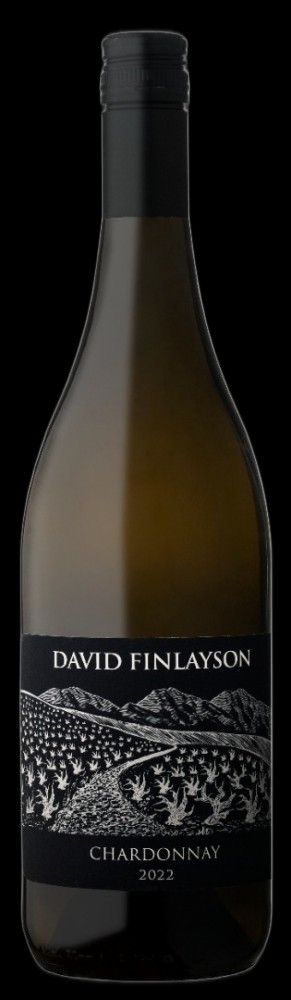 Screw cap
David Finlayson Chardonnay 2023
Chardonnay · Stellenbosch
Airtight, fresh and with no risk of cork taint.
Frequently asked questions
Is wine with a screw cap less good?
No. The closure says nothing about quality. A screw cap prevents cork taint and keeps fresh wine fresh for longer.
How do you recognise cork taint?
The wine smells of wet cardboard or a damp cellar and the fruit has disappeared. It is unpleasant but not harmful.
Do you have to store screw-cap wine on its side?
No. That is only needed with natural cork, so the cork does not dry out. With a screw cap the bottle may also stand upright.
Keep exploring the winewise guide
Filter by taste, region or grape and discover quality wines from independent merchants — or read on and learn how to choose your next bottle.
Keep reading
Waarom is een wijnfles 750ml? Het verhaal achter de iconische maat
Het verrassende verhaal achter de standaardmaat van wijnflessen, van geschiedenis tot praktisch schenken.
Read article
Rode wijn bewaren: hoe lang en hoe bewaar je een geopende fles?
Leer hoe je rode wijn optimaal bewaart: temperatuur, liggend of staand, en hoe lang een geopende fles meegaat.
Read article
Witte wijn bewaren: zo blijft je wijn langer lekker
Tips voor het bewaren van witte wijn: koelkast, geopende fles en hoe lang hij fris blijft.
Read article