
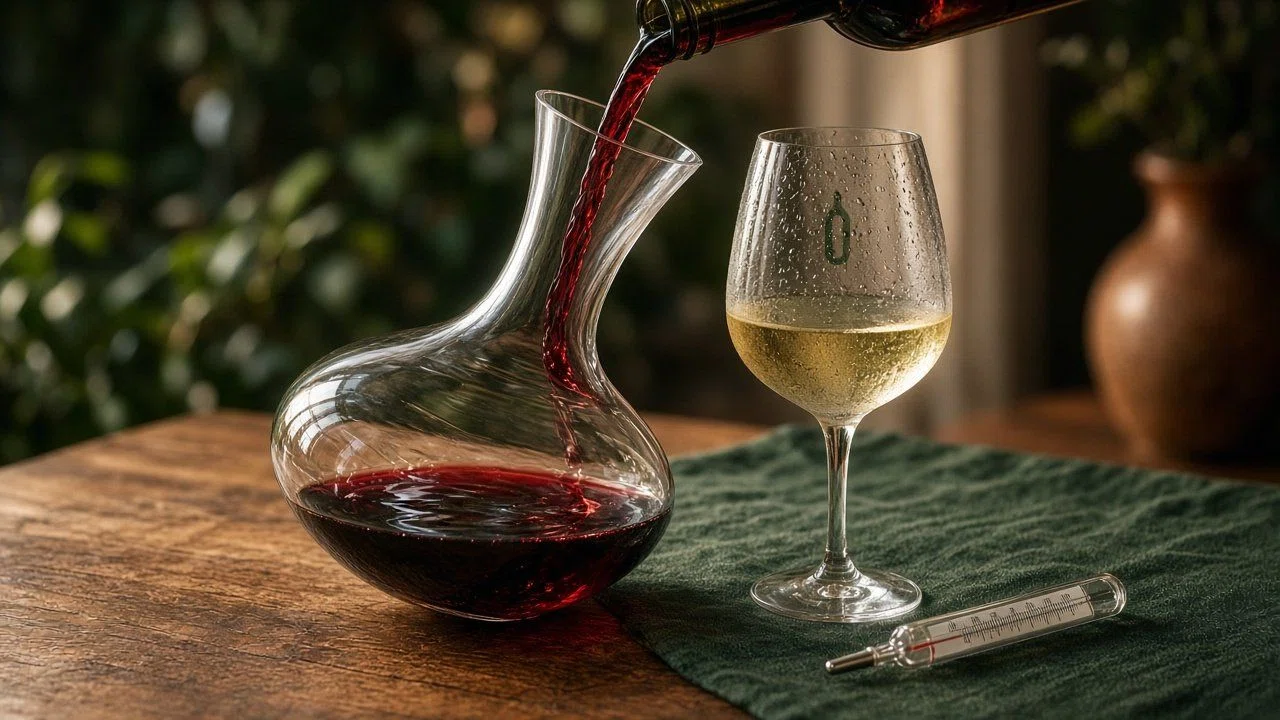
Serve white wine and rosé chilled (7 to 10 degrees), bubbles cold (6 to 8 degrees), light red wine lightly chilled (13 to 15 degrees) and full-bodied red wine at 16 to 18 degrees. Decant young, tannic red wine to open it up, and old wine to leave the sediment behind.
In this article
The same wine can taste flat, heavy or sharp at the wrong temperature. Serving is the cheapest way to improve your wine.
Serving temperature by wine type
Bubbles
6 to 8 °C
Prosecco, cava, champagne
Sweet dessert wine
6 to 8 °C
Sauternes, sparkling dessert wine
Light white wine
7 to 10 °C
Pinot Grigio, Sauvignon Blanc
Rosé
8 to 10 °C
Provençal rosé
Full white wine
10 to 12 °C
Oak-aged Chardonnay
Light red wine
13 to 15 °C
Pinot Noir, Beaujolais
Medium-bodied red wine
15 to 17 °C
Merlot, Sangiovese
Full-bodied red wine
16 to 18 °C
Cabernet Sauvignon, Syrah, Malbec
Red wine at room temperature dates from the time of cold castles. In a living room at 21 degrees, red wine is soon too warm: the alcohol sticks out and the fruit disappears.
Red wine too warm?
Put the bottle in the fridge for 20 to 30 minutes.
White wine too cold?
Take it out of the fridge 20 minutes before serving.
Chilling quickly
Put the bottle in a bucket of ice, water and a handful of salt for 15 minutes.
Bubbles
Chill the bottle in the fridge for at least three hours.
Aeration
Letting it breathe
For young, powerful red wines with a lot of tannin. Oxygen softens the flavours. Pour into a decanter or a large glass and wait 30 to 60 minutes.
Decanting
Leaving the sediment
For older wines, roughly older than ten years, with sediment. Pour carefully and leave the sediment in the bottle. Do this just before serving.
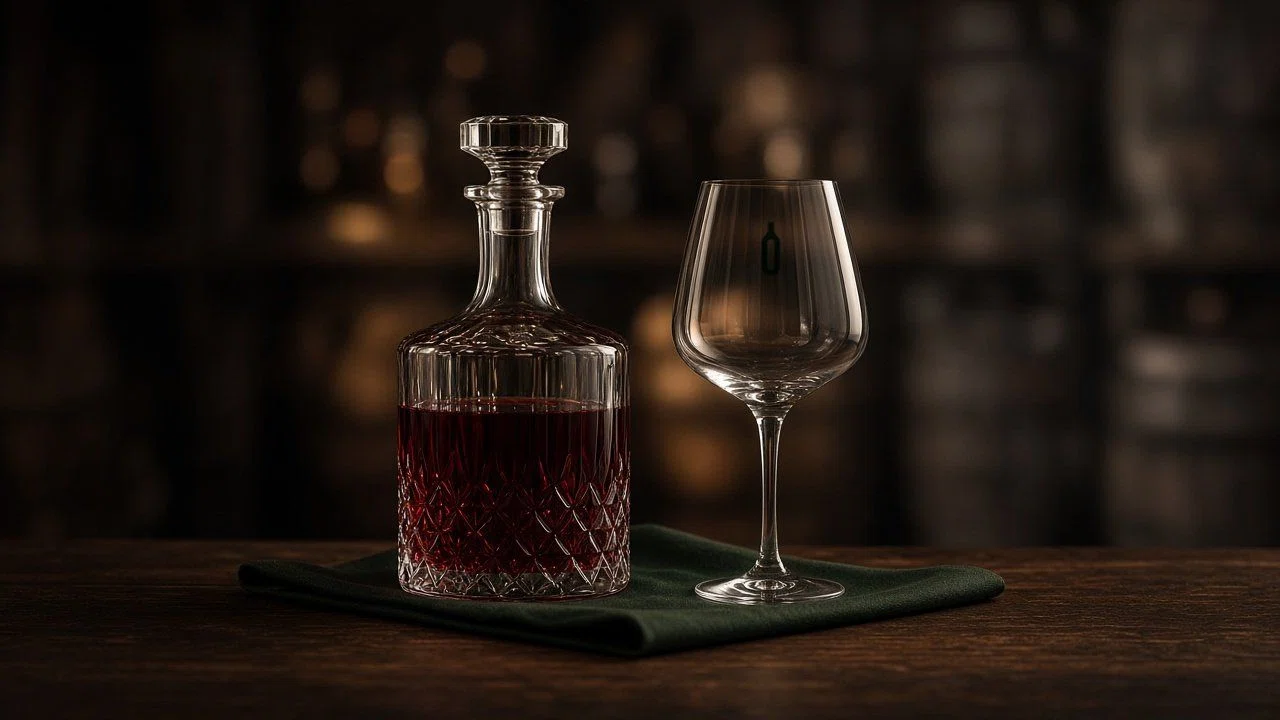
Yes
Young Cabernet Sauvignon, Syrah, Malbec, Bordeaux, Barolo and other full-bodied red wine.
Sometimes
Rioja Reserva and Chianti Riserva.
Usually not
Light wines, old Pinot Noir, white wine and bubbles.
Taste straight after opening, after 30 minutes and after an hour. Use a large glass. You can read more about that in the article on wine glasses.
Common mistakes
- 1. Serving red wine too warm.
- 2. Drinking white wine straight from an ice-cold fridge.
- 3. Pouring the glass too full. Fill it to a third at most.
- 4. Decanting bubbles. That is never necessary.
Get more from your bottle
Two to let breathe, two to serve chilled
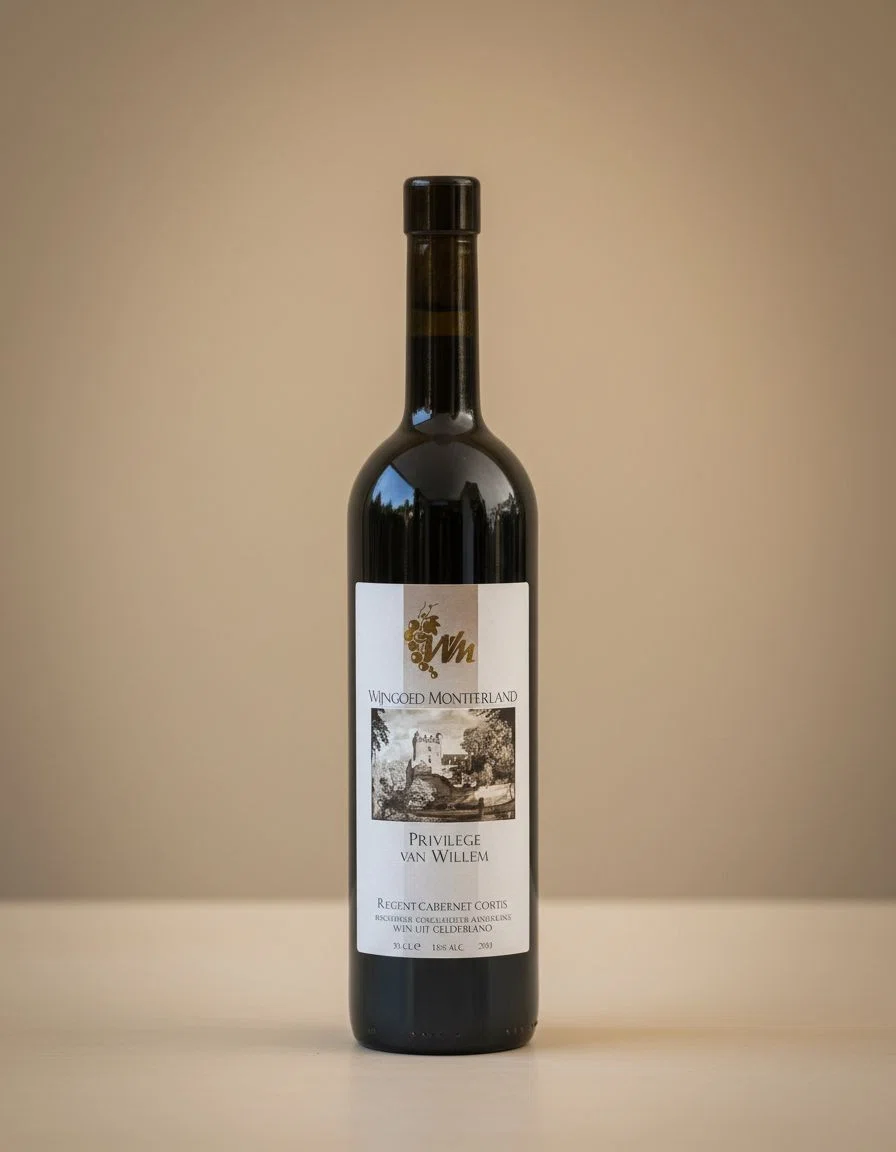 Let it breathe
Het privilege van Willem
Cabernet Cortis · Gendringen
Young, tannic red wine opens up with 30 to 60 minutes of air.
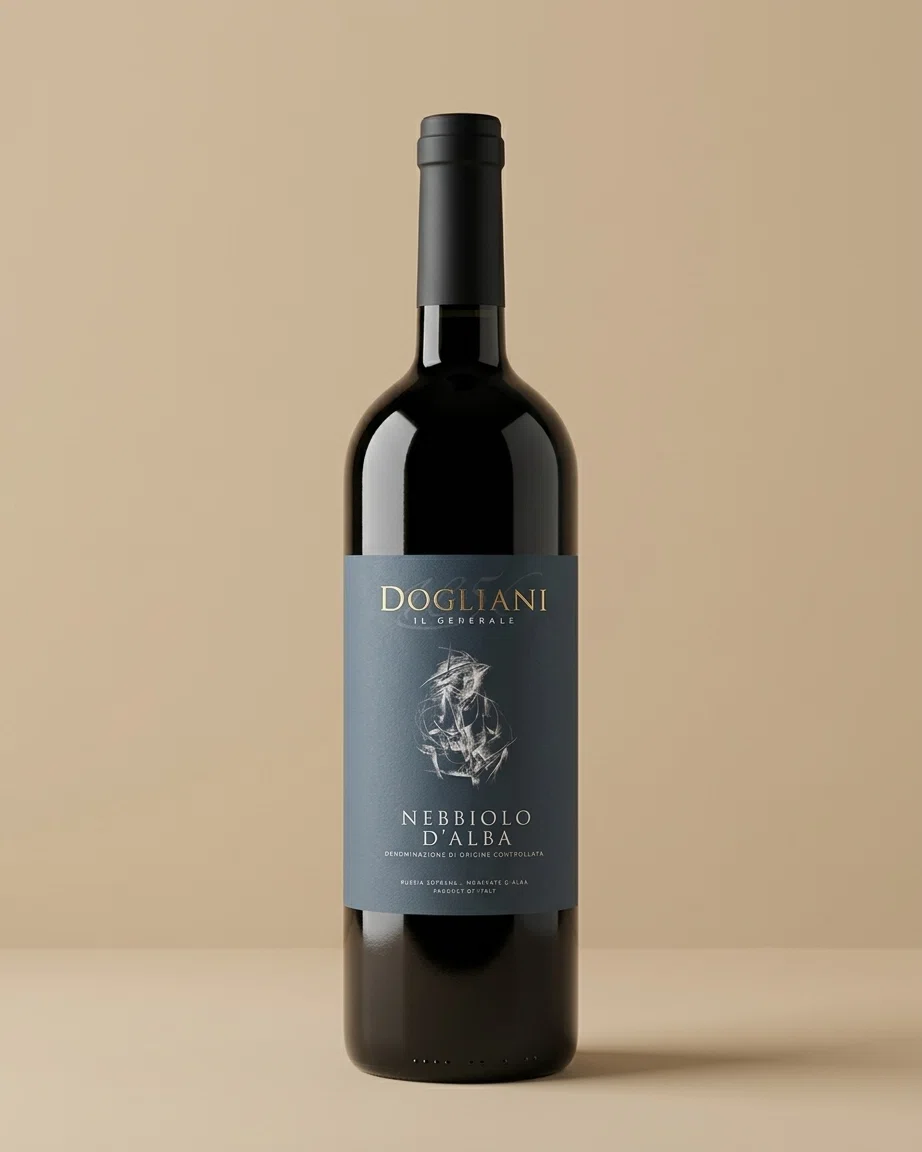 Let it breathe
Nebbiolo D'Alba - Dogliani il Generale
Nebbiolo · Piemonte
A second full-bodied red, to taste the difference over time.
 Serve chilled
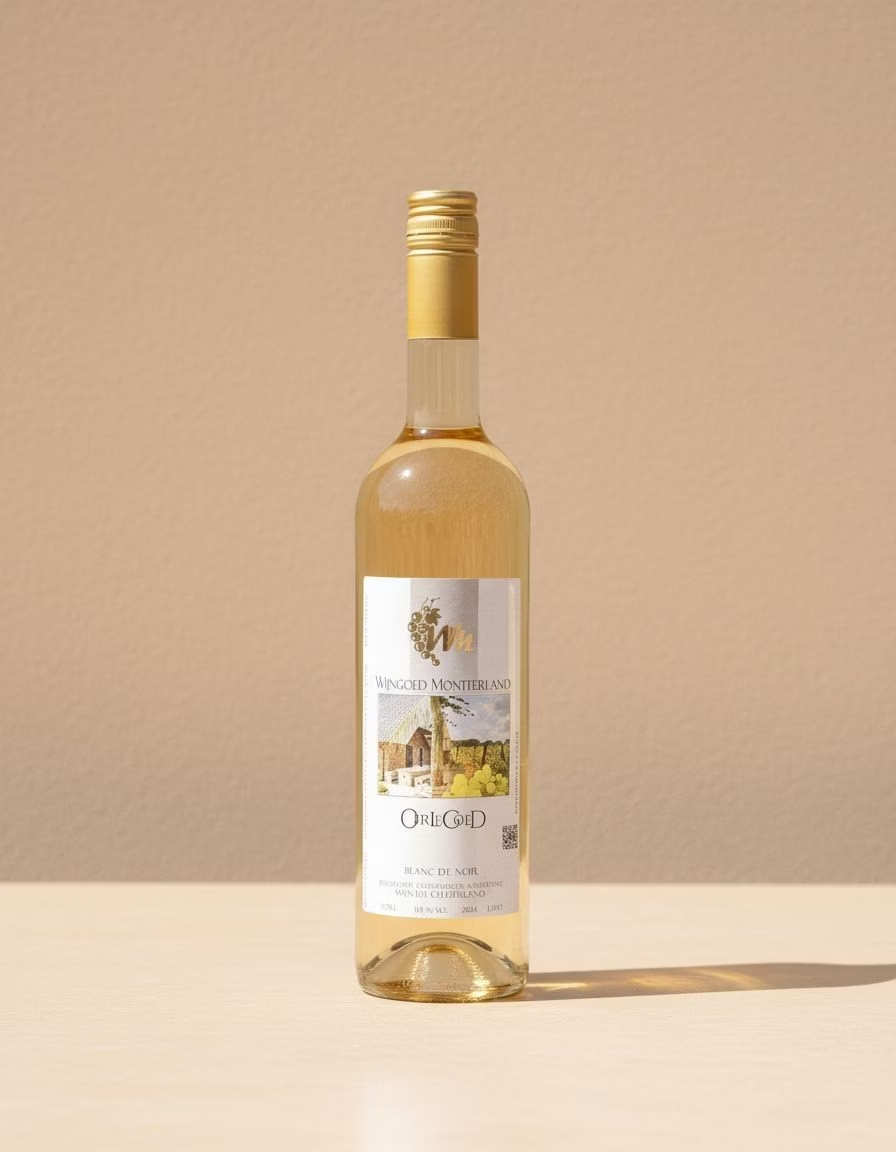
Oerlegoed
Gendringen
White wine tastes best at 7 to 12 degrees, not ice-cold.
 Serve chilled
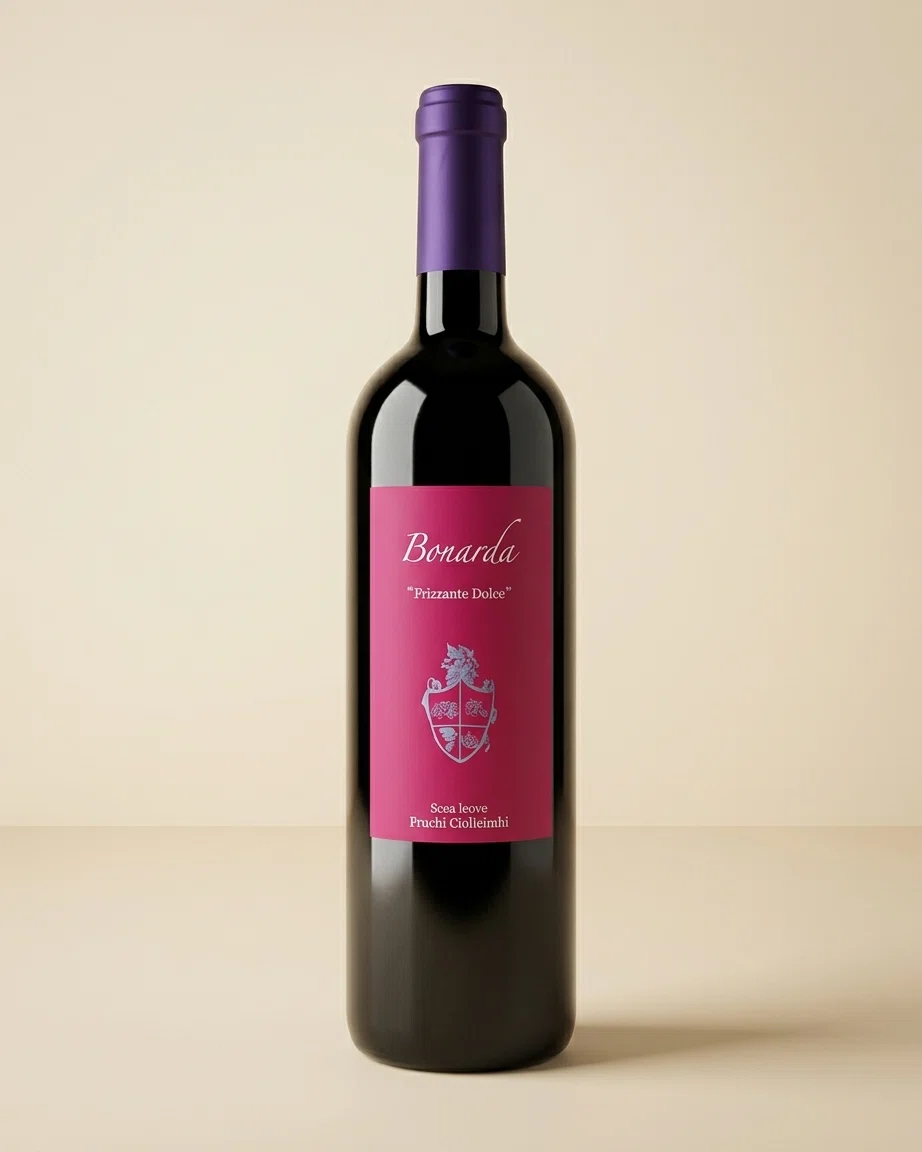
Bonarda - Guglielmini
Croatina · Piemonte
Bubbles belong at 6 to 8 degrees, without a decanter.
Frequently asked questions
How cold should white wine be?
Serve white wine at 7 to 10 degrees. A full, oak-aged white wine tastes best at 10 to 12 degrees.
Do you have to decant every red wine?
No. Young, tannic wines and old wines with sediment benefit most. You usually do not need to decant light red wine or white wine.
How long do you let wine breathe?
On average 30 to 60 minutes for a young, full-bodied red wine. Some very powerful wines need several hours.
Keep exploring the winewise guide
Filter by taste, region or grape and discover quality wines from independent merchants — or read on and learn how to choose your next bottle.
Keep reading
Rode wijn bewaren: hoe lang en hoe bewaar je een geopende fles?
Leer hoe je rode wijn optimaal bewaart: temperatuur, liggend of staand, en hoe lang een geopende fles meegaat.
Read article
Witte wijn bewaren: zo blijft je wijn langer lekker
Tips voor het bewaren van witte wijn: koelkast, geopende fles en hoe lang hij fris blijft.
Read article
Wijnglazen: waarom de vorm echt uitmaakt voor smaak en aroma
Ontdek waarom de vorm van je wijnglas cruciaal is voor de smaak en aroma's van je wijn. Van rode wijn tot champagne, elk glas heeft zijn eigen functie.
Read article